

Hair Loss For Women
- Proudly operating in 3 locations: London (Harrow), Leicester & Nottingham
- Up to 95% visible results
- 0% Finance available
- FDA approved treatments
- Suitable for all hair types





0% APR Finance
At Este Hair Medical, we believe that looking and feeling your best should be accessible to everyone. That's why we offer 0% APR finance options on both surgical and non-surgical treatments, allowing you to start your transformation today and pay comfortably over time.
Whether you're considering a hair transplant, hair loss treatments, or advanced skin non-surgical aesthetic procedures, our flexible finance plans make it easier than ever to invest in yourself without financial pressure.
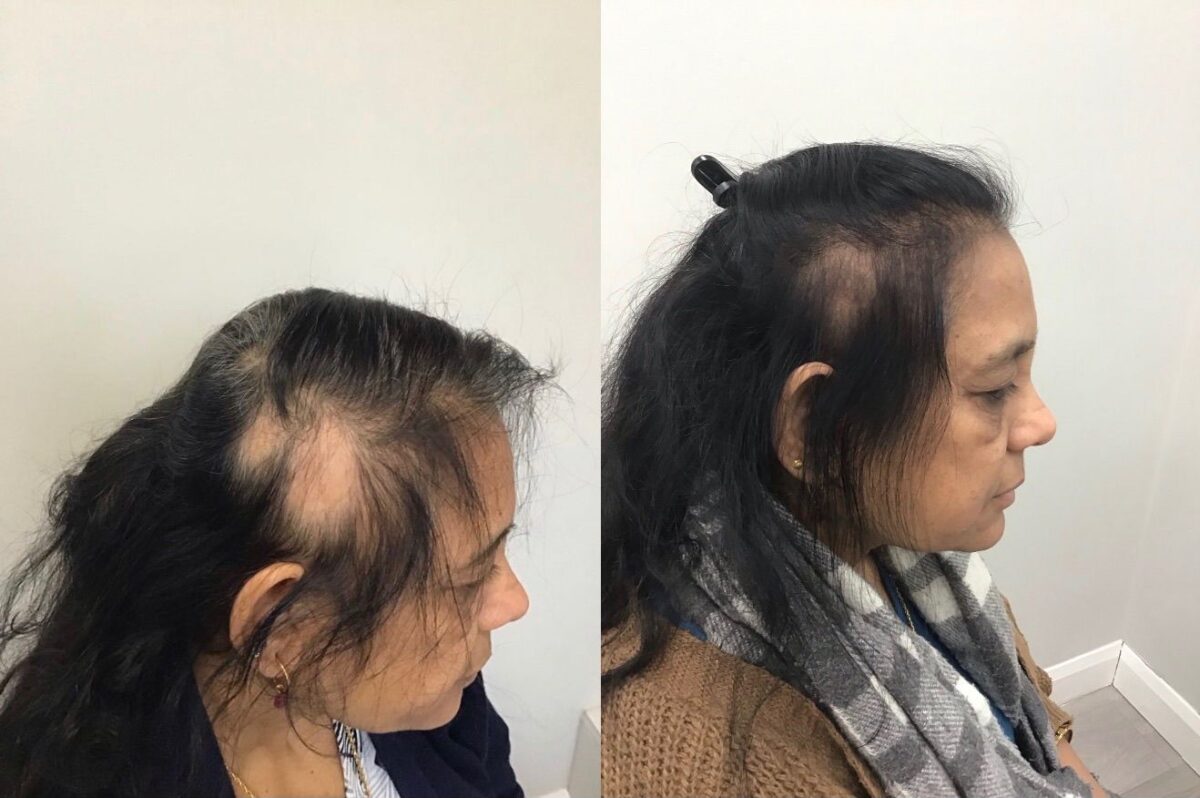
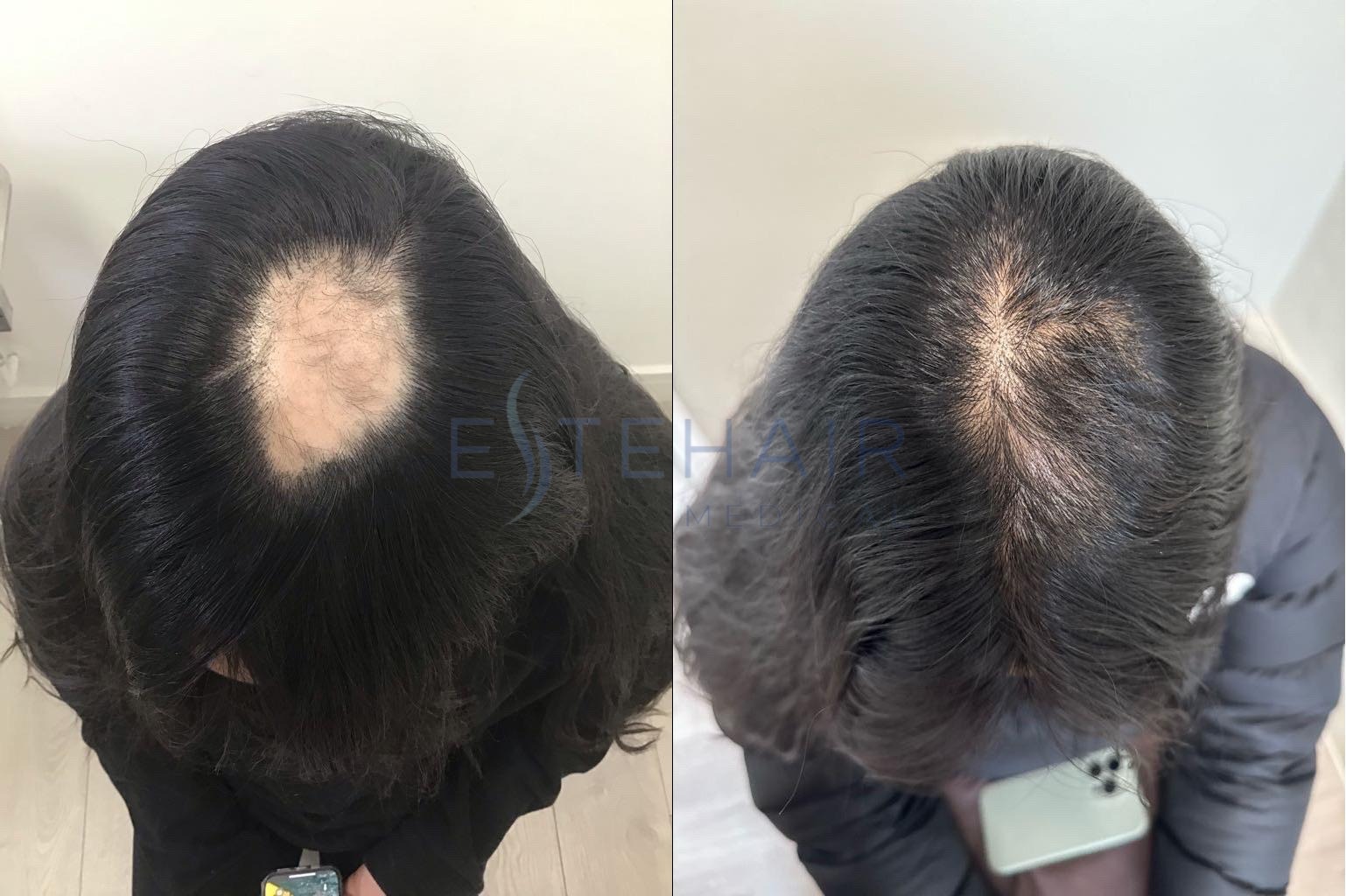
REAL PATIENTS, REAL RESULTS
Before & After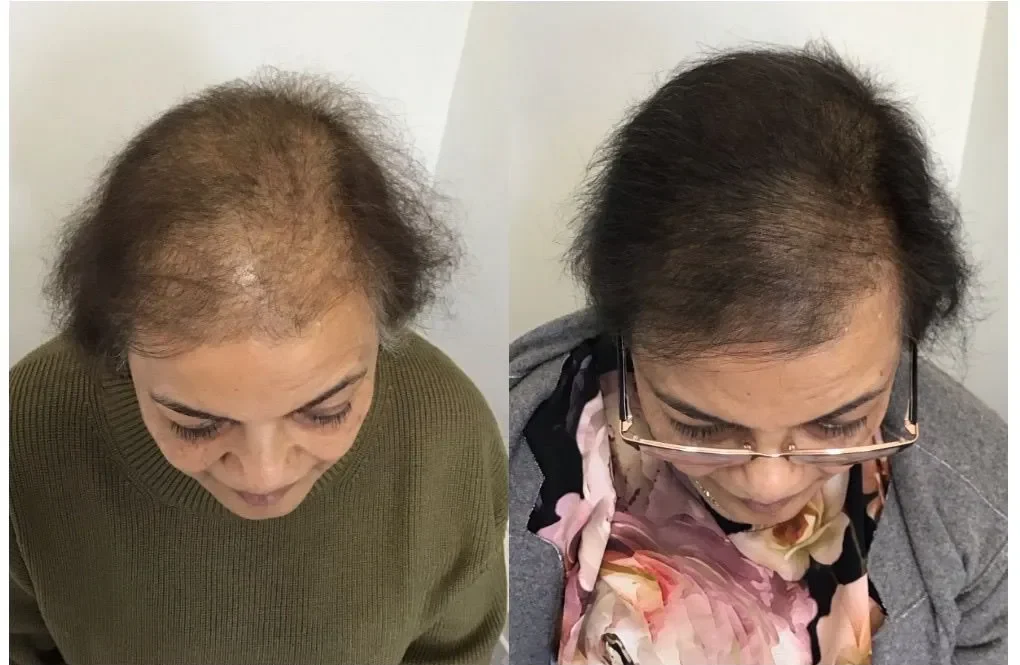
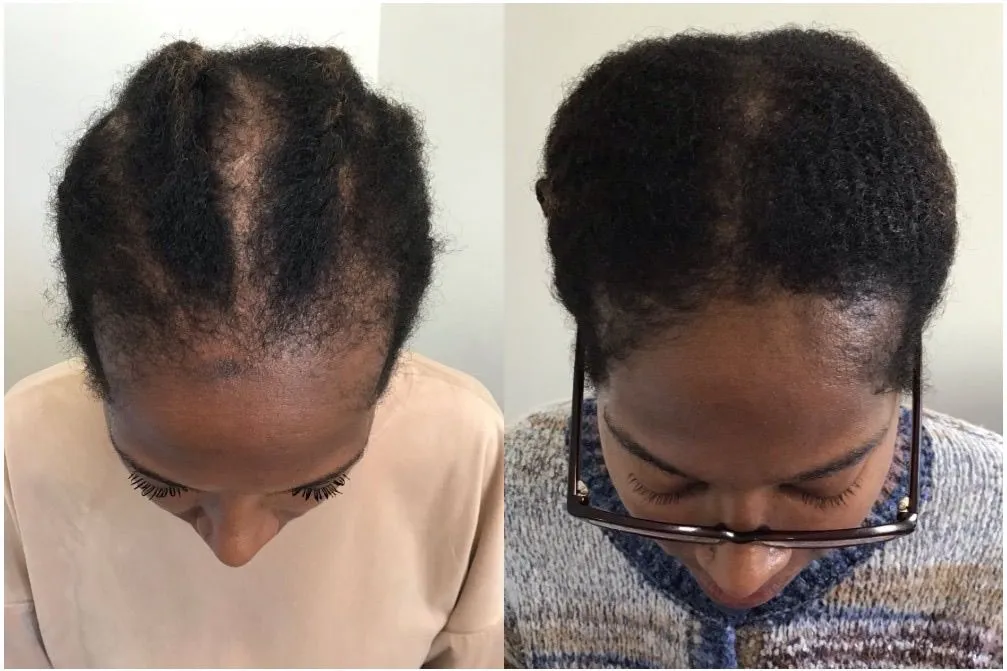
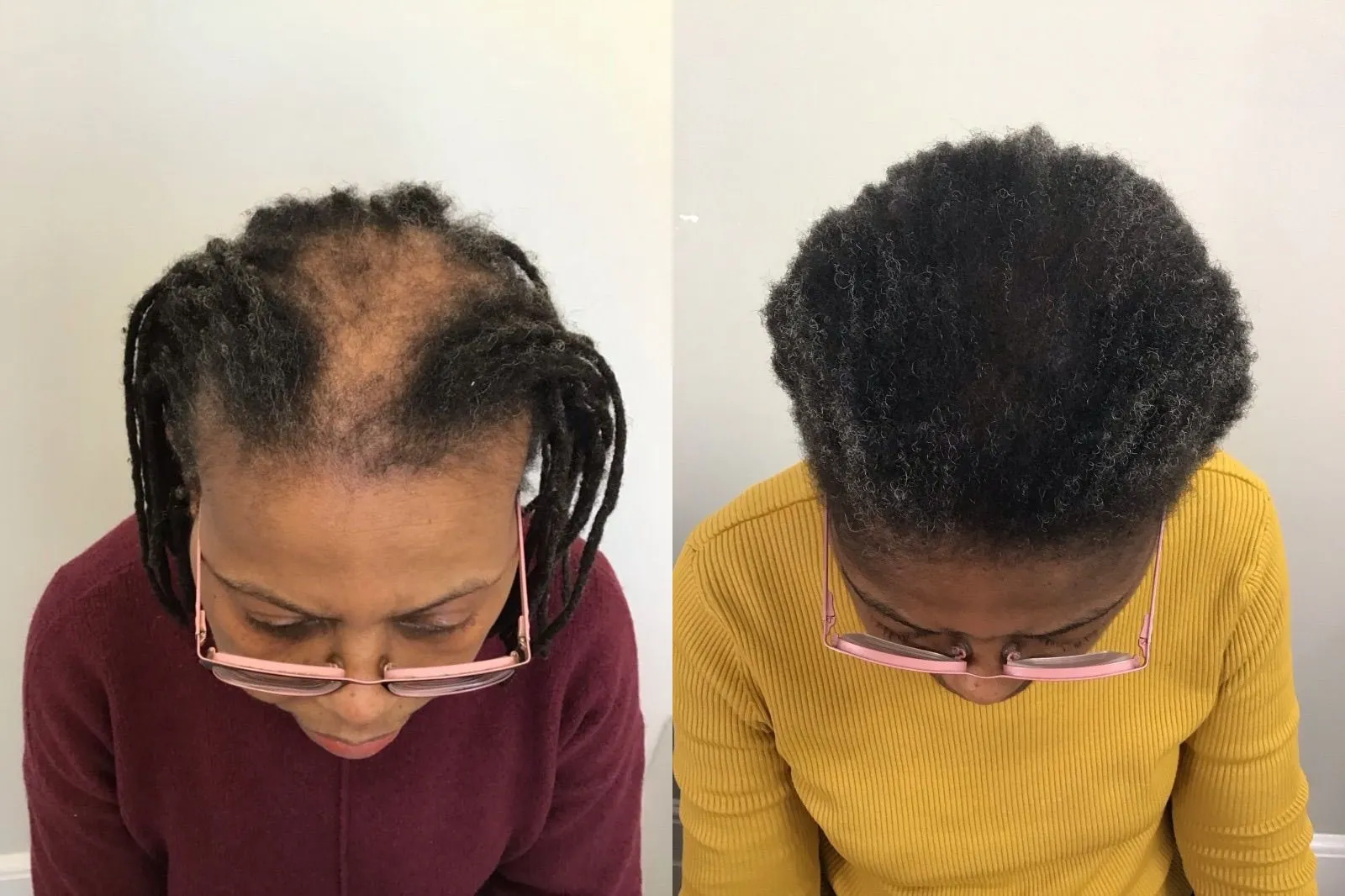
Hair Loss Treatments at Este Hair Medical Clinic
We treat a wide range of hair loss patterns and challenges, including:
 Early-stage hair loss
- Female Pattern Hair Loss
- Frontal Thinning
- Alopecia Areata
- Post-transplant hair strengthening & maintenance

Understanding Hair Loss
Hair loss in women is often more complex than it appears. It doesn't always show up as obvious bald patches instead, it can be subtle, gradual, and spread across the scalp. Many women first notice it as reduced volume, a wider parting, or excessive hair fall. Unlike men, where hair loss patterns are more defined, female hair loss is usually influenced by a combination of factors rather than a single cause.
Common causes include:
- Hormonal Changes: Pregnancy, menopause, and hormonal imbalances like polycystic ovary syndrome (PCOS) can disrupt the hair growth cycle.
- Stress: Physical or emotional stress can trigger temporary hair loss, known as telogen effluvium.
- Nutritional Deficiencies: Insufficient levels of iron, vitamin D, biotin, and zinc can weaken hair.
- Hairstyling Practices: Frequent use of tight hairstyles, heat styling, and harsh chemicals can lead to traction alopecia.
- Genetics: Female pattern hair loss or androgenetic alopecia often runs in families.
Many over the counter products only work on the surface layer of the scalp, which is why clients often see little to no improvement or temporary results that quickly fade.

Types of Women Hair Loss
Female hair loss can occur for a variety of reasons and often presents differently from person to person. Identifying the exact type is essential to ensure the treatment is safe, effective, and tailored to your needs.
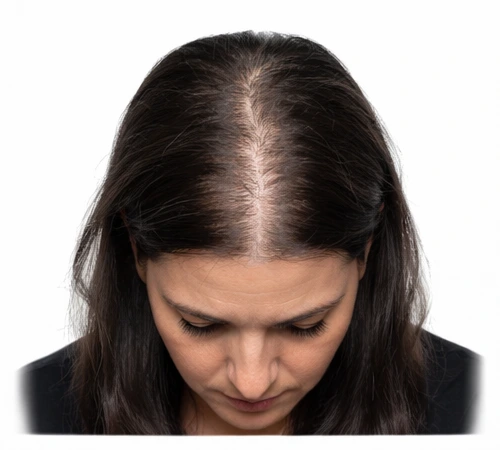
Female Pattern Hair Loss
The most common type in women, caused by genetic and hormonal factors. It usually appears as gradual thinning along the parting and crown, rather than a receding hairline.
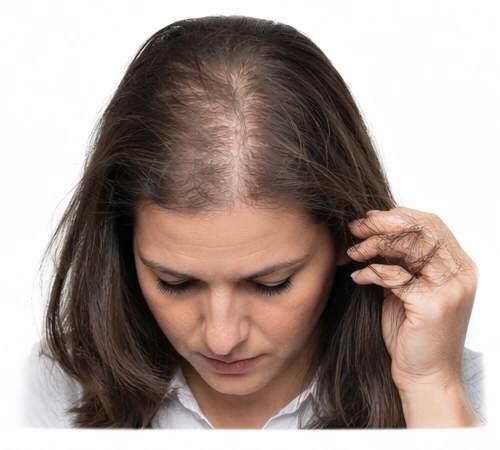
Hormonal Hair Loss
Linked to hormonal imbalances such as PCOS, thyroid issues, pregnancy, or menopause. It often presents as overall thinning and reduced hair density.
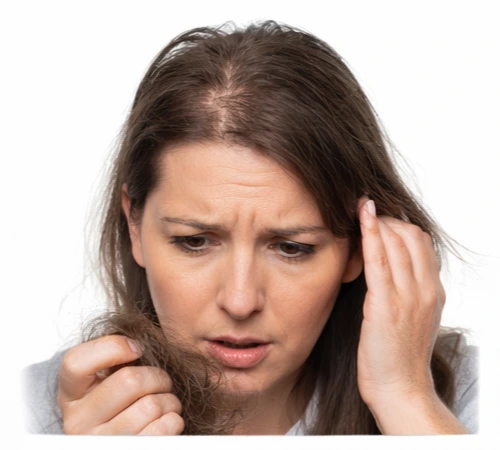
Telogen Effluvium
A temporary but noticeable increase in hair shedding, often triggered by stress, illness, hormonal changes, weight loss, or nutritional deficiencies. Hair typically thins across the entire scalp but can recover with the right care.
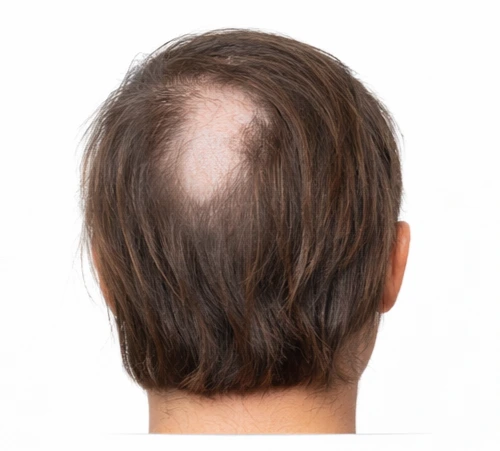
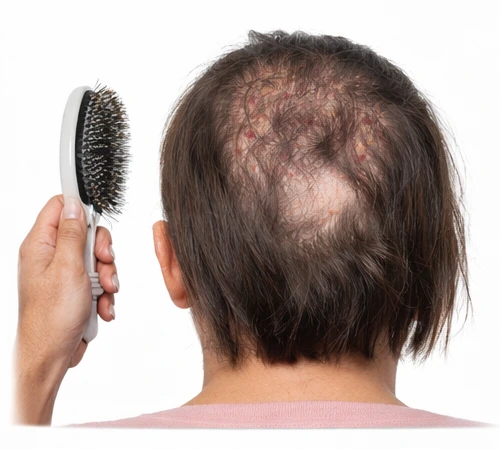
Alopecia Areata
An autoimmune condition where the body attacks its own hair follicles, leading to sudden, patchy hair loss. It can affect the scalp, eyebrows, or eyelashes and may come and go.
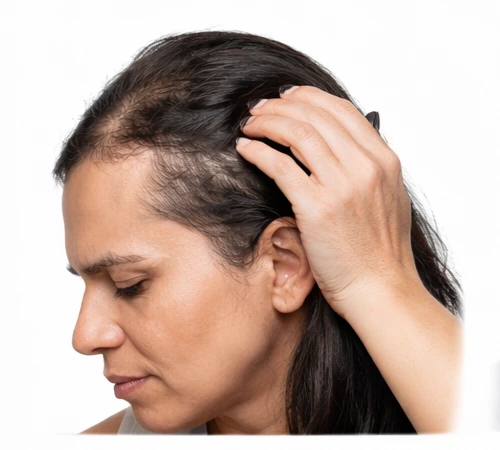
Traction Alopecia
Caused by repeated tension from tight hairstyles such as braids, buns, extensions, or ponytails. This type of hair loss commonly affects the hairline and temples and can become permanent if not addressed early.
Postpartum Hair Loss
A common temporary condition after pregnancy due to a drop in estrogen levels. Increased shedding usually occurs a few months after delivery and gradually improves over time.


How Can Hair Loss Be Treated?
Hair loss is not fixed in a single session, and it should never be rushed. Effective treatment takes time, consistency, and the right approach. Each plan is carefully customised, monitored, and adjusted based on how your scalp and hair respond ensuring safe, gradual, and long lasting improvement.
Healthy Hair & Long term results
Every scalp tells a different story. Hair loss can be caused by genetics, stress, hormonal changes, or underlying health conditions and treating it correctly starts with understanding why it's happening.
During your consultation, we assess your scalp, hair density, and medical history to determine whether treatment is needed and which approach will work best for you. In some cases, the right advice may be just as important as the treatment itself.
With over 15+ years of experience, we've worked with all hair types and a wide range of hair loss conditions. Our goal is simple to guide you with honest advice, effective treatments, and real, natural looking results.


Trust Our Patients
We are incredibly proud of our customer feedback please read some of our testimonials below.
Start Your Journey with
Este Hair Medical
